

کیا آپ نے کبھی سوچا ہے کہ وہ کون سی کلیدی پوزیشن ہے جو کسی بڑی تنظیم کے ڈیٹا اور فیصلہ سازی کے درمیان اہم کڑی کا کام کرتی ہے؟ ڈپٹی ڈائریکٹر (سیمنٹک لیڈ) کا عہدہ درحقیقت جدید کاروباری انٹیلی جنس (BI) کا دِل ہے، جہاں ٹیکنالوجی، کاروباری منطق اور حکمتِ عملی کا سنگم ہوتا ہے۔ یہ صرف ڈیٹا کو دیکھنے کا نہیں، بلکہ اسے سمجھنے، اس کی تشریح کرنے اور پوری تنظیم کے لیے قابلِ عمل بنانے کا فن ہے۔
آج کے ڈیٹا پر مرکوز دنیا میں، یہ رول ایک ایسے ماہرِ تعمیر کا ہے جو الجھے ہوئے ڈیٹا کے جنگل سے شاہراہیں تعمیر کرتا ہے۔ ان شاہراہوں پر چل کر ہر محکمہ، ہر فیصلہ ساز درست، محفوظ اور بروقت معلومات تک پہنچتا ہے۔ اگر آپ سمجھتے ہیں کہ ڈیٹا صرف نمبروں کا مجموعہ نہیں بلکہ کہانیاں سناتا ہے، تو یہ کیرئیر آپ کے لیے ہی تخلیق کیا گیا ہے۔
ذیل میں دیا گیا جدول آپ کو اس رول کی بنیادی ذمہ داریوں اور ان سے وابستہ مطلوبہ مہارتوں کا ایک جائزہ پیش کرتا ہے:
| بنیادی ذمہ داریاں (Core Responsibilities) | ضروری مہارتیں اور قابلیتیں (Required Skills & Expertise) |
|---|---|
| مکمل BI حل کی ڈیزائننگ اور تعمیر (End-to-End BI Solution Design) | سیمنٹک ماڈلنگ ٹولز (Power BI, Tableau) میں مہارت، پروجیکٹ مینجمنٹ (ایجل واٹر فال) |
| سیمنٹک لیئر کی ترقی اور نگرانی (Semantic Layer Governance) | ڈیٹا ویئر ہاؤس ڈیزائن، SQL، BI گورننس فریم ورک کا علم |
| ڈیٹا کا یکجا کرنا اور تجزیاتی بصیرت فراہم کرنا (Data Integration & Analytical Insight) | ETL/ELT عمل، ڈیٹا اینالیٹکس، مضبوط کمیونیکیشن اسکلز |
| کاروباری اسٹیک ہولڈرز کے ساتھ تعاون اور رپورٹس کی اصلاح (Stakeholder Collaboration) | کاروباری بصیرت (Business Acumen)، مسئلہ حل کرنے کی مہارت |
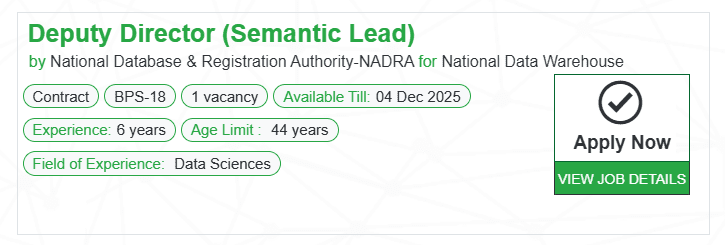
In today’s world of data, the Deputy Director (Semantic Lead) is a key person for business intelligence. This senior job goes beyond just managing data. It’s where tech, business sense, and people’s needs meet. The person in this role is in charge of creating the basic structure that makes data reliable, easy to get to, and helpful for everyone in the company.
The main job is to turn complicated data into simple business insights. This means leading the creation of easy-to-understand data models and making sure everything is managed well. The main aim is to give everyone the ability to analyze data themselves. This guide looks at the different duties, needed skills, and career steps for this important leadership role. We’ll see how to be great at putting together complete BI solutions that give real value to the business.
Core Responsibilities The Strategic Pillars of the Role
The Deputy Director (Semantic Lead) job has responsibilities which are all important for turning raw data into a tool for the whole company to use.
Leading BI Solution Design from Start to Finish
This means taking charge of the complete Business Intelligence solution process which starts with working with people in the business to really get what they measure and how they make choices. Then, the Semantic Lead creates a semantic model, which translates the database data into reports everyone can read. The model sets up the main metrics, hierarchies, and calculations one time, so everyone is using the same numbers. To get the job done right, it is important to mix how Agile is used for development with Waterfall for planning.
Creating and Running the Semantic Layer
The semantic layer is the core of this job which means stating and writing down all the business logic, measures, and data links clearly. Equally important is setting up and putting into action a BI governance plan. This plan makes the rules for data quality, security, access, and standardization. This way, as the solution gets bigger, it stays trustworthy and follows the rules. Governance is not a one-time thing, but a repeated check of data sets and recertifying actions to line up with business aims as they change.
Getting People to Use It and Giving Insights
A semantic model is useless if people do not use it. So, part of the job is about change management and getting users ready. This involves setting up training and creating engaging visuals that people want to use. By watching how the system works and what users say, the Semantic Lead makes the models and reports faster and easier to grow. The job ends with giving useful analytical insights, moving past just reporting what happened, to describing why it happened, and suggesting what to do next.
Essential Skills and Qualifications for Success
To do well as a Deputy Director (Semantic Lead), you need tech skills, a strategic mind, and people skills.
Tech Skills: You should be great with semantic modeling tools (like Microsoft Power BI or Tableau), SQL, and how data warehouses are set up. Knowing data integration (ETL/ELT) and how to make things run faster is key for creating solutions that can grow.
Strategic Business Sense: Being able to turn business questions into clear technical plans is very important. You need to know the industry well and understand how data impacts things like income, savings, and happy customers.
Leadership and Communication: Since this is a leadership job, you should have experience managing tech teams and various projects. Good communication skills are a must to explain data ideas to people without a tech background and to push for data rules in the company.
Governance and Project Management: You need to know how to create and put in place BI or data governance plans. Being familiar with project methods (Agile, Hybrid, Waterfall) helps make sure projects are completed without issue.
The Impact How a Semantic Lead Transforms Organizations
A Deputy Director (Semantic Lead) can really change how well an company works.
**Creating a Single Source of Truth**
A Semantic Lead puts data from different places into one managed spot. This gets rid of report differences and data arguments. Everyone can trust this single data version to make choices.
**Making Self-Service and Faster Decisions Possible**
With easy dashboards and a clear data setup, people in the company can look at data and get answers on their own. They don’t have to ask IT for help all the time. This makes getting answers faster, speeds up choices, and encourages people to take action.
**Making Sure It’s Scalable, Secure, and Compliant**
A managed data setup that’s made to grow can keep up with the company’s data needs. The management system keeps data safe, follows privacy rules, and keeps data quality high. This protects the company’s stuff and good name.
Career Path and Market Outlook
The Deputy Director (Semantic Lead) position is a senior role that usually calls for 8-15 years of experience in data, BI, and analytics. People usually move from Data Analyst or BI Developer to BI Manager before taking on this leadership job. From here, you might go on to become Director of Data & Analytics or even Chief Data Officer.
There are many jobs available for this kind of specialized, important work. You might not always see Deputy Director (Semantic Lead) as the exact title, but the skills needed are in high demand. You can find these openings in big areas like tech, finance, healthcare, and government. For example, NADRA often hires for senior deputy director roles where strong technical and governance skills are a must. When searching, look for similar titles like Head of BI, Semantic Layer , or Director of Data Platforms.
Conclusion
The Deputy Director (Semantic Lead) isn’t just a title; it’s key to becoming a data-focused company. This person makes sure data and business leaders work together by creating semantic layers, keeping data organized, and getting people to use it. This leads to reliable data, easy-to-find insights, and faster, smarter decisions.
If you want to be a Semantic Lead, you’ll need technical skills, a strategic mindset, and leadership ability. For businesses, hiring someone for this role means getting the most from your data and to do that you can start by checking how well your current business intelligence setup is managed and that it makes data easy to understand, which is the first thing you have to do if you want to make big changes.
